OP2: The "Black Best Friend" Trope is Growing Old
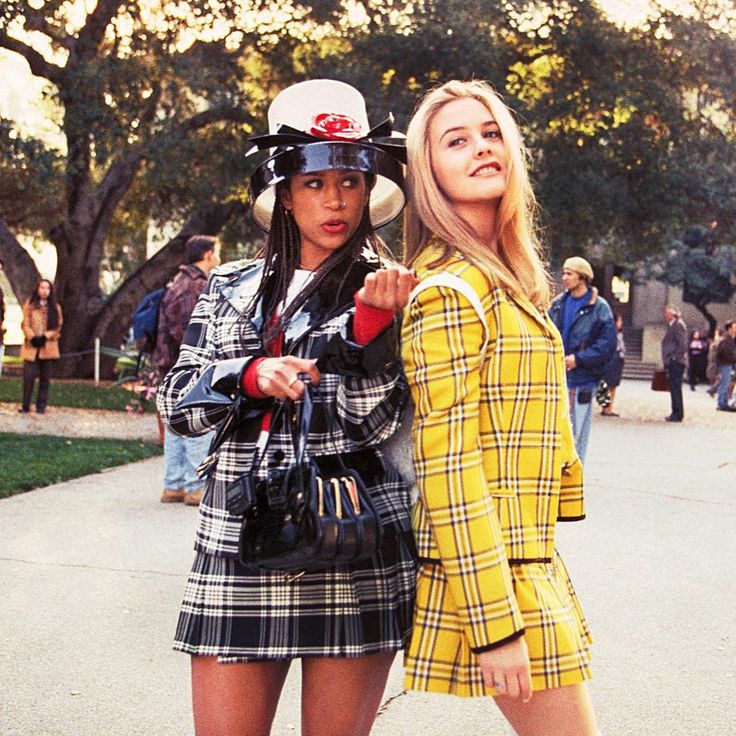 |
| Cher and Dionne, Clueless (1995) |
An angsty, teenage white girl tries to find herself as she goes throughout her high school years. She faces bullies, encounters her first love(s), deals with the reins of her parents and tries to figure out her future all while solving the meaning of life.
But
she can’t get through all of this without her trusty, bold black best friend
who probably is light skin with curly hair (but that’s another argument for
another day).
This
probably sounds like a show you are watching, right?
Throughout
film and television there has been a certain trope of the white, main character
and their black, best friend/sidekick. It’s less likely to see a black main
character with a white best friend although it does happen.
Old,
teen classics such as Clueless (1995), 10 Things I Hate About You (1999)
and some of the “Bring It On” movies showcase the black best friend or
secondary character trope.
Newer
series/movies such as The Chilling Adventures of Sabrina, Tall Girl, High
School Musical: The Musical: The Series and Stranger Things also
have the trope.
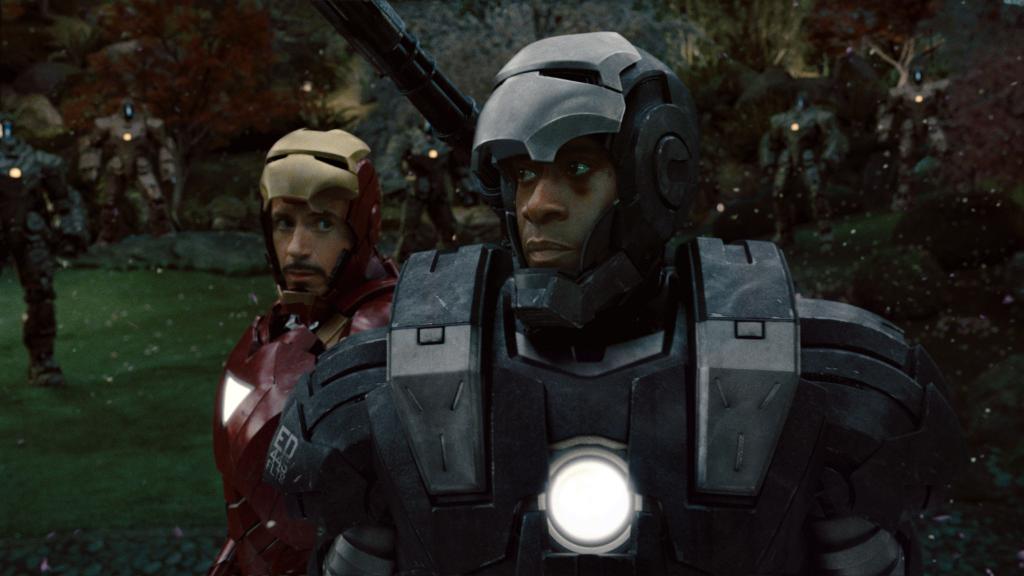 |
| Tony Stark/Iron Man and James Rhodes/War Machine |
Animated
shows such as Rugrats which features Susie Carmichael as Angelica Pickles’
best friend. Family Guy shows Cleveland Brown as one of Peter Griffin’s
friends. Monique is a secondary character and a friend to Kim Possible in the Disney
series.
And
the list of goes on.
Hollywood
believes casting a black (or minority) secondary character satisfies the
diversity element in a film or television show. While it’s good that the
industry is trying to be more inclusive, it gives off the impression that black
leads don’t matter and that black characters are less important.
The
UCLA 2019 Diversity Report records that white actors claimed 77% of film roles while
only 9% of film roles were of black actors.
According
to NBC, the “magical negro” is a term that was created by legendary director,
Spike Lee that describes a black, secondary character in a film who is seen as wise
and gives advice to help the troubled, white lead character.
Some
examples of the “magical negro” is Will Smith’s character in Hitch
(2005), “Bubba” in Forrest Gump (1994) and Laurence Fishburne’s character
in The Matrix (1999). These characters embody the term by being the
person the white lead goes to when they need help.
The
black secondary characters usually have a more interesting storyline than the
white lead character. In High School Musical: The Musical: The Series, we
find out in later episodes that Kourtney has an amazing singing
voice. The Chilling Adventures Of Sabrina features Sabrina’s friend Roz whose
has visions (they call it “the cunning”) due to her family being cursed by witches.
It’s
time for Hollywood to create series that feature a black lead who has black
friends. Black leads who aren’t slaves, thugs or any other negatively seen role
(another argument for another time). Even create films and tv shows with other
minority leads that have minority friends.
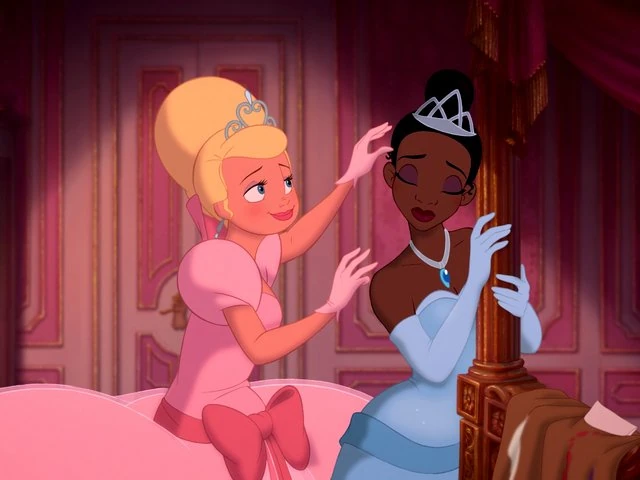 |
| Princess Tiana and Charlotte, The Princess and the Frog (2009) |
For instance, That’s So Raven, The Princess and the Frog, The Proud Family, Black Panther and Black-Ish all feature black leads with either a white friend/secondary character. Most of them even showcase the black lead living a successful life (or being a part of a successful family) and/or another positive aspect.
So
Hollywood, how about we change up the game? Instead of casting the black actor
as the best friend, maybe consider them for the lead. Let’s minimalize the
amount of films and tv shows that include the black best friend trope and come
up with new ideas where the main character is black or a person of color. In all,
representation matters and people of color shouldn’t feel as if they aren’t
important because they see themselves as a secondary character in their favorite
movie or tv show.


Comments
Post a Comment